What to Do After a Car Accident in Miles City, MT: A Step-by-Step Guide
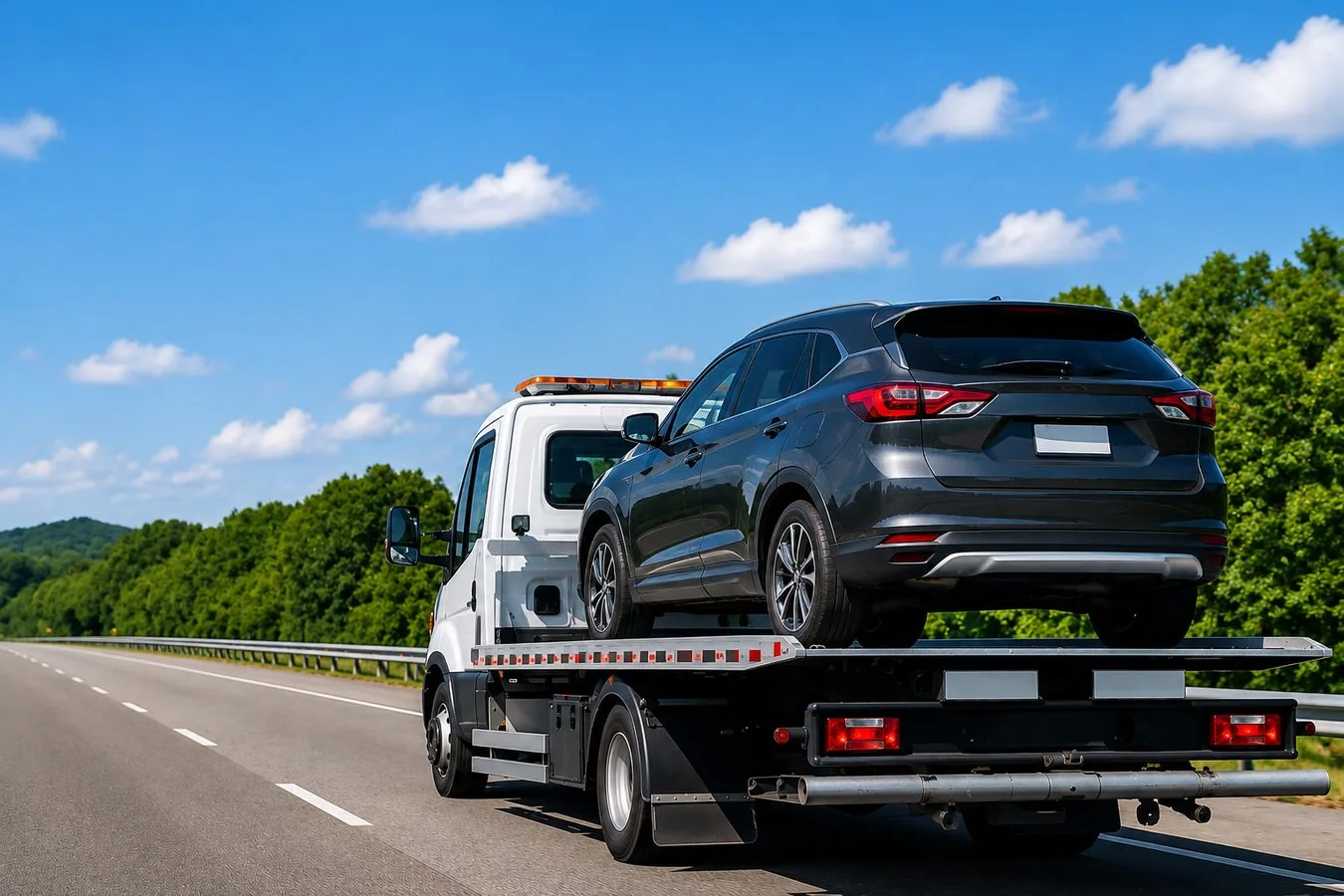
One second you are driving down Main Street or merging onto I-94, and the next you are sitting in a car that will not move, hands shaking, trying to figure out what just happened. A crash scrambles your thinking. That is normal. The goal of this guide is to give you a clear, calm order of operations so that even on your worst day in Miles City, you know exactly what to do next — and you do not miss the steps that protect your safety, your insurance claim, and your wallet.
We are a local 24/7 towing and roadside recovery company based right here in Custer County (ZIP 59301). Our drivers pull vehicles off I-94, US-12, and MT-59 after collisions almost every week, so the advice below is built on what we actually see at the scene — not a generic checklist copied from somewhere else.
Step 1: Stop, Breathe, and Check for Injuries
The single most important thing after any collision is people, not property. Take one slow breath before you do anything else. Then check yourself and every passenger for pain, bleeding, dizziness, or trouble moving. Adrenaline hides injuries, so if anything feels off — neck stiffness, a headache, numbness — treat it seriously and say so when help arrives.
If anyone is hurt, or if you are unsure, call 911 immediately and do not try to move an injured person unless the vehicle is on fire or in the path of traffic. On rural stretches of I-94 and US-12 around Miles City, an ambulance can take longer to reach you than it would in a big city, which is exactly why calling early matters. The federal National Highway Traffic Safety Administration (NHTSA) stresses the same order: protect life first, deal with the vehicle second.
Step 2: Get to Safety and Warn Other Drivers
Montana winters, harvest traffic, and the long sightlines on I-94 all create the same danger: a stopped car that other drivers do not see until it is too late. If your vehicle still runs and it is unsafe where it sits, move it to the shoulder, an exit ramp, or a nearby lot such as a gas station or the area around the Custer County Courthouse in town. If the car cannot move, leave it, get yourself well off the roadway, and stay behind a guardrail or barrier when one is available.
Turn on your hazard lights the moment you stop. If you carry flares, reflective triangles, or LED road beacons, set them out — especially at night or during the blowing snow and fog that roll across the Yellowstone River valley. Standing beside a disabled car in a live lane is one of the most dangerous things you can do after a wreck, so make yourself visible and keep your body out of traffic.
Step 3: Call the Police — and Get a Report Number
In Montana you are required to report a crash to law enforcement when there is any injury, a fatality, or property damage that appears to top $1,000. With today's vehicle prices, almost any real collision clears that bar, so the safe move is simple: call. In Miles City, dial 911 and an officer from the Miles City Police Department or the Custer County Sheriff will respond, document the scene, and issue a crash report.
That report number is not a formality. Your insurance company will ask for it, and if the other driver later changes their story, an official record of what happened is the strongest thing you have. While you wait, do not admit fault or argue about who caused the crash — even a casual "I am so sorry" can be used against you later. Stick to facts when you speak with the officer and let the report do its job.
Step 4: Document Everything at the Scene
Your phone is the best evidence tool you own. Before anything is moved (once you are safely off the road), photograph the full scene: both vehicles, all damage from several angles, license plates, the road surface, skid marks, traffic signs, and anything that shows conditions — ice, gravel, standing water, or poor lighting. Wide shots and close-ups both help.
Then exchange information with the other driver. Collect and photograph:
- Full name, phone number, and address
- Driver's license number and license plate
- Insurance company and policy number
- The make, model, and color of their vehicle
If there are witnesses — another driver who pulled over, someone from a nearby business — ask for their name and number too. Memories fade fast, and a neutral witness can settle a disputed claim weeks later. Jot down the time, the exact location (nearest mile marker on I-94 or cross street in town), and the weather while it is fresh.
Step 5: Decide Whether Your Car Is Safe to Drive
Not every accident ends with a tow, but many should. Walk around the vehicle and look hard, because damage that looks cosmetic can hide problems that make driving dangerous. Do not drive away if you see any of the following:
- Fluid leaking onto the ground — coolant, oil, or fuel
- A tire that is flat, shredded, or pushed against the fender
- Bumper, trim, or body panels dragging or hanging loose
- Headlights, brake lights, or turn signals that no longer work
- Steering that pulls hard, or a brake pedal that feels soft
- Any hood, door, or trunk that will not latch shut
Even if the car seems fine, frame and suspension damage from a hard impact is often invisible from the outside. When there is real doubt, the cheap decision is to tow. A single tow across Miles City costs far less than a breakdown — or a second crash — five miles down US-12 because a bent control arm let go.
Step 6: Call a Local Tow You Can Trust
After a collision you want a flatbed, not a hook-and-chain drag. A flatbed loads the whole vehicle onto the deck so a car with a damaged wheel, broken axle, or leaking fluids does not take further punishment on the way to the shop. For lighter damage a wheel-lift works well, and for a truck, trailer, or RV we bring heavy-duty equipment rated for the load. Every one of our trucks is DOT compliant and every driver is licensed and insured, which matters when your insurer reviews the tow.
Here is what usually happens when you call us to an accident scene in Custer County:
| What we do | Why it matters after a crash |
|---|---|
| Dispatch a flatbed 24/7 | No waiting until morning — we run nights, weekends, and holidays |
| Winch-out if you slid off the road | Ditches along MT-59 and I-94 need a controlled pull, not a yank |
| Secure loose parts before loading | Prevents debris on the highway and more damage in transit |
| Tow to the shop, your home, or storage | You choose the destination; we work around your claim |
| Hand you an itemized invoice | Clean paperwork for a smooth insurance reimbursement |
Because we are based in Miles City rather than dispatched from a call center two hours away, our typical response time across Custer County runs 30 to 45 minutes, and often faster inside city limits. When you are stranded on a shoulder in the cold, that difference is everything.
Step 7: Notify Your Insurance and Follow Up
Report the accident to your insurer as soon as you are safe, even if you think you will not file a claim — most policies require prompt notice. Give them the crash report number, your photos, and the other driver's information. If you were injured, see a doctor at Holy Rosary Healthcare or your own provider promptly; some injuries surface a day or two later, and a medical record ties them to the crash.
Keep every receipt from the tow and any storage fees. If the accident is covered, your policy usually reimburses accident towing, though you may pay the operator first and claim it back. This is another reason to use a local company that hands you clean, itemized paperwork on the spot instead of a vague charge you have to chase later.
Need an accident tow in Miles City right now?
24/7 flatbed, wheel-lift, and winch-out recovery across Custer County. Licensed, insured, and DOT compliant.
📞 Call (406) 313-2992Frequently Asked Questions
Do I have to call the police after a car accident in Miles City, MT?
In Montana you must report a crash to law enforcement if anyone is injured or killed, or if property damage looks like it exceeds $1,000 — which almost any modern collision does. When in doubt, call. In Miles City dial 911; a Miles City Police or Custer County Sheriff officer will document the scene and give you a report number your insurer will ask for.
Who pays for the tow after an accident in Custer County?
If the crash is covered by your policy, your insurer typically reimburses accident towing and storage, though you may pay the tow operator up front and file for reimbursement. Keep every receipt. We give you an itemized invoice at the scene so your claim in Custer County goes smoothly, and we can tow to the body shop, your home, or a storage yard.
Have you ever been rear-ended on I-94 and not known who to call first? Save our number before you need it.