Heavy Duty Towing in Custer County & Miles City, MT — Semis, RVs, and Big Rigs
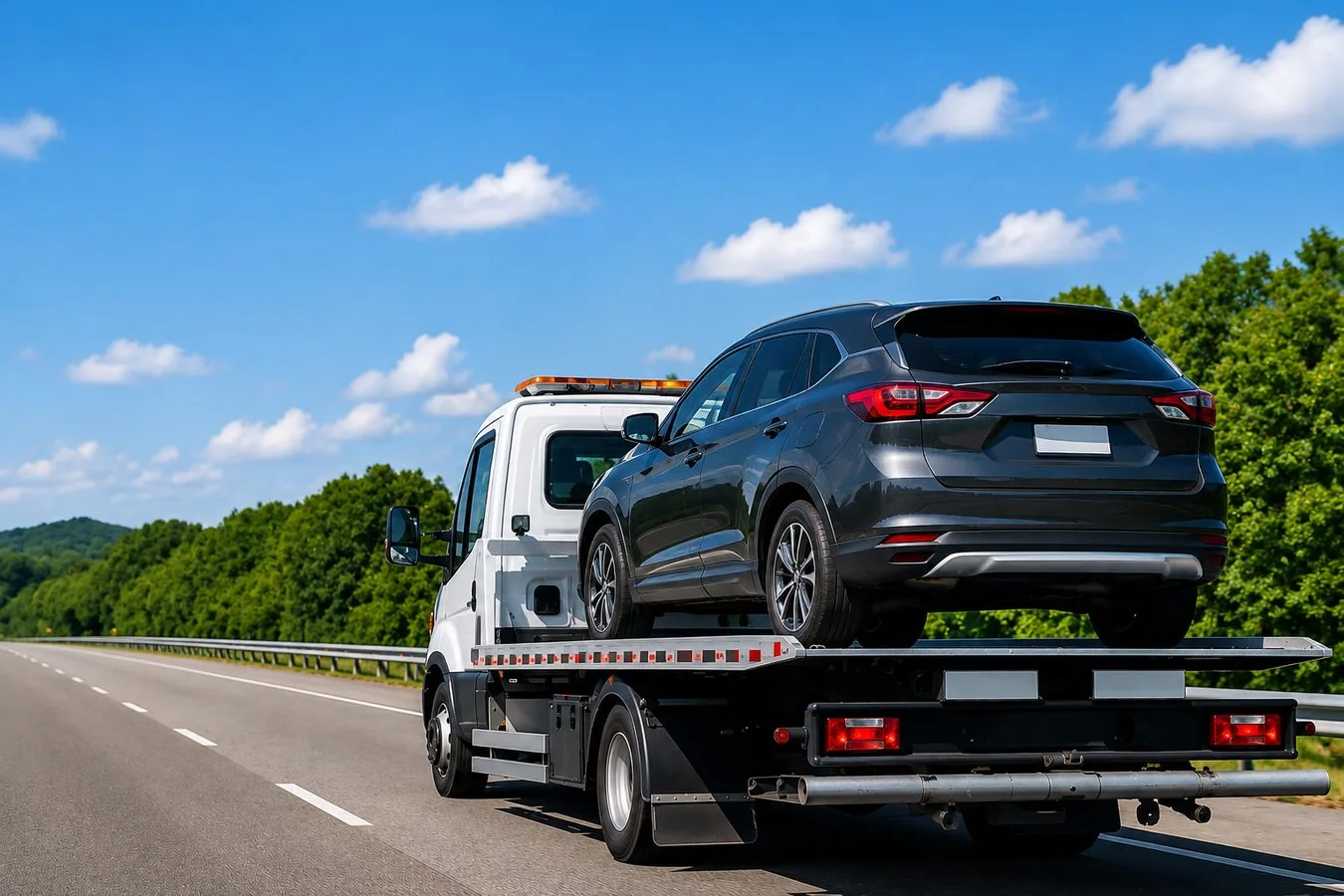
When a loaded semi loses air pressure on I-94, or a 40-foot motorhome grinds to a halt on US-12 outside Miles City, you are not dealing with an ordinary tow. Heavy-duty recovery is a different job entirely — one that demands the right wrecker, a trained operator, and enough rigging to move tens of thousands of pounds without damaging the vehicle or blocking a live highway lane. If you drive a big rig, pull a fifth-wheel, or manage a fleet that runs through Custer County, MT, it helps to know exactly what heavy-duty towing involves and who to call before you ever need it.
This guide walks through what qualifies as heavy-duty, the equipment and DOT-compliant process behind a safe recovery, the situations we see most often around Miles City and ZIP 59301, and what you can realistically expect to pay. The goal is simple: help you make a fast, informed decision when the pressure is on and the shoulder of I-94 is not a place you want to sit for long.
When You Need Heavy-Duty Towing in Custer County
Light-duty tow trucks — the flatbeds and wheel-lift rigs you see hauling sedans and pickups — are rated for a few thousand pounds. The moment a vehicle crosses into commercial territory, that equipment is no longer safe or legal to use. Heavy-duty towing exists for anything that outgrows a standard wrecker: Class 7 and Class 8 trucks, tractor-trailers, dump trucks, buses, large RVs, and construction equipment.
Around Miles City and the wider Custer County area, the calls tend to cluster around a few scenarios. A semi jackknifes on an icy stretch of I-94 in January. A tour bus or school bus loses a transmission on MT-59. A retired couple's diesel pusher motorhome breaks down near the Yellowstone River on their way through to the Custer County Courthouse district. A grain hauler slides into the ditch off US-12 during harvest. In every one of these cases, the vehicle is too heavy, too tall, or too long for a light-duty truck, and trying to move it with the wrong equipment risks bent frames, snapped tie-downs, and injured bystanders.
The other reason heavy-duty matters is the road itself. I-94 is a major freight corridor, and a disabled big rig in a travel lane is a serious hazard for everyone behind it. A professional heavy-duty operator does not just move the vehicle — they clear the lane quickly, set out proper warning devices, and work with law enforcement to keep traffic flowing. That combination of muscle and traffic-incident awareness is what separates a real recovery outfit from someone with a large truck and good intentions.
What Counts as Heavy-Duty? Semis, RVs, and Big Rigs
The dividing line comes down to gross vehicle weight rating (GVWR) and dimensions. As a rough guide, if a vehicle weighs more than about 26,000 pounds, it falls into heavy-duty territory and needs a wrecker built for the load. Here is how the common categories break down for drivers in and around Miles City, MT:
| Vehicle type | Typical weight | Tow class |
|---|---|---|
| Car, pickup, small SUV | Under 10,000 lbs | Light-duty (flatbed / wheel-lift) |
| Box truck, large van, small RV | 10,000–26,000 lbs | Medium-duty |
| Semi tractor, loaded trailer, motorcoach, Class A RV | 26,000–80,000 lbs | Heavy-duty |
Weight is only part of the picture. A Class A motorhome may not be as heavy as a fully loaded tractor-trailer, but its length, low ground clearance, and expensive body panels make it just as demanding to tow. Diesel pushers, in particular, often need to be lifted rather than dragged so the drivetrain is not damaged. Buses carry their weight high and require careful balancing on the wrecker. Big rigs bring their own wrinkles — air-brake systems that lock when pressure drops, kingpins that need the right rigging, and loads that may have to be secured or transferred before the truck can move safely.
Our Heavy-Duty Equipment and DOT-Compliant Process
Moving 40 tons of truck safely is a matter of the right iron and the right procedure. Our heavy-duty wreckers are built for the job, with high-capacity booms, heavy winch lines, and underlift systems designed to cradle a tractor or trailer without stressing the frame. For recoveries — pulling a rig out of the ditch off US-12, or righting a unit that has rolled onto its side — we bring winch-out capability, rigging, and the training to plan the pull before anyone touches a cable.
Every heavy-duty job we run is DOT compliant and handled by a licensed and insured operator. That matters more than most people realize. Commercial vehicles are governed by federal safety standards, and mishandling a recovery can turn an insurance claim into a nightmare. The Federal Motor Carrier Safety Administration, part of the U.S. Department of Transportation, sets the rules that keep large trucks and their recovery safe on public roads; you can read more about commercial vehicle safety directly from NHTSA. We work within those standards so your load, your equipment, and everyone on the highway stays protected.
A typical heavy-duty call around Miles City follows a clear sequence. We confirm the vehicle type, weight, and exact location — mile marker on I-94, cross street, or the nearest landmark. We dispatch the appropriate wrecker and give you a realistic arrival window, usually 30 to 45 minutes depending on where you are in Custer County. On scene, the operator sets out warning devices, assesses whether it is a straight tow or a recovery, disengages or bypasses the air-brake and driveline systems as needed, rigs the vehicle, and moves it to your repair shop, yard, or a safe holding location. Throughout, we keep you informed so there are no surprises when the invoice arrives.
Common Heavy-Duty Recovery Situations on I-94 and US-12
Custer County sits at the crossroads of eastern Montana freight and tourism traffic, and the mix produces a predictable set of heavy-duty calls. Understanding them helps you recognize when you need a heavy-duty crew rather than a standard tow:
- Jackknifed or ditched semis on I-94. Winter ice and summer crosswinds both push big rigs off line. Recovery often means a winch-out and careful re-righting before the truck can roll.
- Motorhome breakdowns near the Yellowstone River. Travelers heading toward the Yellowstone area frequently pass through Miles City, and a stalled Class A RV needs a lift-style tow to protect the drivetrain.
- Bus and motorcoach failures on MT-59. A loaded bus that loses power requires a wrecker rated for its high center of gravity and the passengers who may need safe transport off the road.
- Loaded trailer separations. Sometimes the tractor is fine but the trailer is disabled. We can tow the trailer independently or shuttle the load as needed.
- Equipment and grain-hauler recoveries. During harvest, off-road slides on the county roads around Forsyth, Terry, and Hysham are common, and heavy winch-out capability makes the difference.
In every one of these, response time and the right equipment matter more than anything. A disabled heavy vehicle is expensive to leave sitting — in downtime, in fuel, and in the risk it creates for other drivers. That is why we run 24/7 and prioritize keeping I-94 and US-12 lanes clear.
Big rig, RV, or bus down near Miles City?
Our heavy-duty wreckers cover Custer County and the I-94 corridor around the clock. Licensed, insured, and DOT compliant — with honest pricing and a 30–45 minute response.
📞 Call (406) 313-2992 — 24/7 Heavy-Duty TowingWhat Heavy-Duty Towing Costs Around Miles City, MT
Heavy-duty towing costs more than light-duty work, and it should — the trucks, the crew, and the risk are all in a different league. Rather than a flat rate, most heavy-duty jobs are priced with a hook-up or service-call fee plus a per-mile towing rate. If the vehicle is off the road and needs to be recovered before it can be towed, winch and labor time is added based on how complex the pull is.
Several factors move the number. A straightforward tow of a running-but-disabled semi from a shoulder on I-94 to a Miles City shop is far less involved than righting a rolled trailer in a ditch off US-12 at 2 a.m. Distance matters too — a recovery near Baker or Broadus carries more mileage than one inside city limits at ZIP 59301. The honest answer is that no reputable operator can quote a firm heavy-duty price without knowing the vehicle, the situation, and the location. What you should expect from us is transparency: we explain the fee structure up front, give you a realistic estimate before we roll, and never bury surprise charges on the invoice.
For fleet managers and owner-operators, it is worth building a relationship with a local heavy-duty provider before you need one. Knowing who to call, and knowing they are licensed and insured, saves precious time when a truck is down and every hour of downtime costs money.
Choosing a Licensed and Insured Heavy-Duty Operator
Not every towing company can handle heavy-duty work, and hiring the wrong one can cost you far more than the tow. When you are choosing a heavy-duty operator around Miles City and Custer County, look for a few non-negotiables. Confirm the company actually owns heavy-duty wreckers rated for your vehicle class, not just medium-duty trucks. Ask whether their operators are DOT compliant and trained specifically in heavy recovery. Make sure they carry proper insurance, including on-hook and cargo coverage, so your equipment and load are protected. And check that they run around the clock — breakdowns rarely happen during business hours.
Local knowledge is the final piece. An operator who knows the I-94 mile markers, the tight spots on US-12, and the county roads out toward Terry and Jordan will find you faster and plan a smarter recovery than someone dispatched from hours away. That is the standard we hold ourselves to on every heavy-duty call in the Miles City area.
Frequently Asked Questions
How much does heavy duty towing cost in Custer County, MT?
Heavy duty towing around Miles City, MT typically runs higher than light-duty work because of the specialized trucks and crew involved. Most jobs are priced with a hook-up fee plus a per-mile rate, and winch-outs or recoveries off I-94 add labor time. Call (406) 313-2992 for an honest quote based on your vehicle weight, location, and whether a recovery is needed before we tow.
Can you tow a semi or RV that broke down on I-94 near Miles City?
Yes. We run heavy-duty wreckers rated for loaded semis, motorhomes, buses, and box trucks throughout Custer County and along I-94, US-12, and MT-59. Our operators are DOT compliant, licensed and insured, and typically reach breakdowns near Miles City, ZIP 59301, within 30 to 45 minutes, 24/7.
Have you ever been stuck watching a big rig block a lane on I-94? Knowing who to call for heavy-duty recovery can turn a long night into a quick fix.